


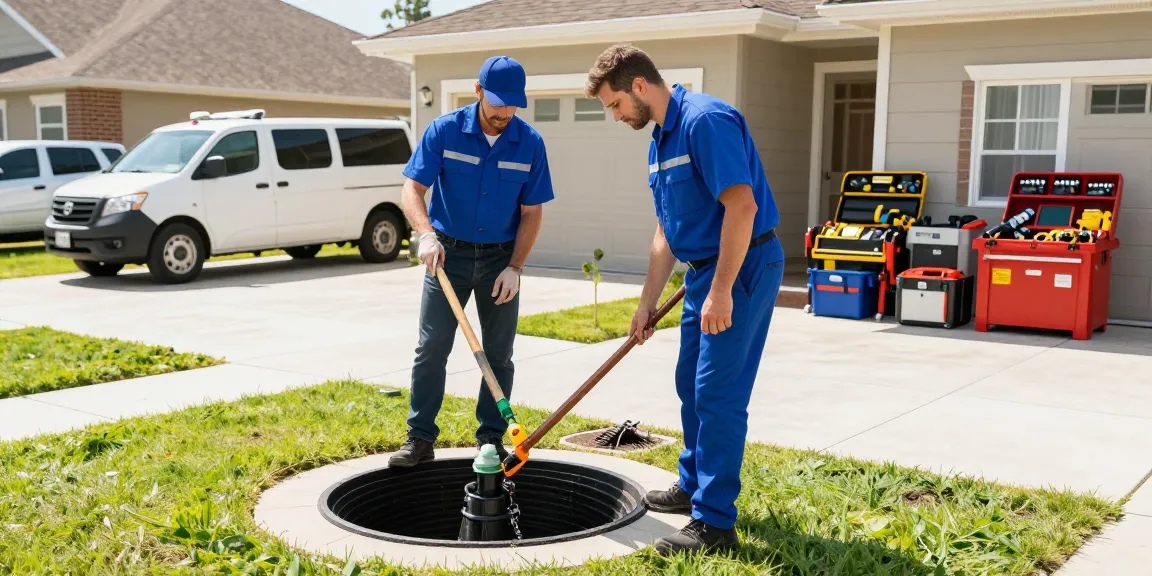
Understanding the Importance of Septic Service
Maintaining a healthy septic system is vital for homeowners and property managers alike, especially in areas where municipal sewage systems are not available. Septic systems are responsible for treating and disposing of wastewater effectively, ensuring a safe and sanitary environment. Regular septic service plays a crucial role in preventing costly repairs and environmental hazards that arise from neglect. Understanding the importance of routine maintenance can help you manage your property’s wastewater needs efficiently.
What is Septic Service and Why It Matters?
Septic service encompasses a wide range of activities aimed at maintaining and managing septic systems. This includes routine pumping, inspection, cleaning, and repairs. Septic services are essential for several reasons:
- Preventive Maintenance: Regular pumping prevents backups and overflows.
- System Longevity: Proper care extends the lifespan of your septic tank.
- Environmental Protection: Well-maintained systems safeguard groundwater and the surrounding environment.
Common Septic Systems and How They Function
Most residential properties utilize one of two main types of septic systems: traditional gravity systems or alternative systems, such as aerobic systems. In a gravity-fed system, wastewater flows from the home to the septic tank where solids settle and liquids flow out into the drain field. Aerobic systems include an aeration chamber that promotes bacteria growth for faster decomposition of waste. Understanding your system’s design is crucial for effective maintenance.
Signs Your Septic System Needs Maintenance
Recognizing early warning signs can save homeowners from expensive repairs. Common indicators that your septic system may require maintenance include:
- Foul odors around the property or septic tank.
- Slow drainage in sinks or toilets.
- Pooling water or lush patches in the yard over the drain field.
- Frequent back-ups in plumbing fixtures.
Choosing the Right Local Septic Service Provider
Finding a reliable local septic service provider is essential to ensure your system receives the best care possible. With numerous options available, how can you choose the right one?
Factors to Consider When Hiring a Septic Service
When selecting a septic service provider, consider the following factors to ensure you’re making a well-informed choice:
- Experience: Look for providers with a proven track record in the local area.
- Licensing and Insurance: Ensure the business is licensed, bonded, and insured.
- Service Range: Choose a provider that offers full-service options, including emergencies.
Assessing Certifications and Customer Feedback
Checking a company’s certifications, affiliations, and customer reviews is essential. Certifications from recognized bodies like the National Association of Wastewater Technicians (NAWT) indicate professionalism and expertise. Reading reviews on platforms such as Yelp and Google can provide insight into service quality and customer satisfaction.
Questions to Ask Before Booking a Service
Before committing to a service provider, it’s wise to ask the following questions:
- What services do you provide, and are you experienced with my type of septic system?
- Can you provide references or testimonials from past clients?
- What are your rates for inspection, pumping, and emergencies?
Septic Service Pricing: What to Expect
Understanding the pricing structure for septic services can help homeowners budget and avoid surprises. Costs can vary widely based on various factors, including location, system type, and service complexity.
Typical Septic Service Costs Explained
On average, homeowners can expect to pay between $250 and $500 for standard septic tank pumping every three to five years, depending on tank size and local market rates. For inspections, costs typically range from $150 to $400.
Cost-Saving Tips for Homeowners
There are several strategies homeowners can utilize to save on septic services:
- Schedule regular maintenance to avoid costly repairs.
- Keep a record of all services to identify patterns and predict future needs.
- Reduce water usage to decrease the frequency of septic pumping.
Emergency Septic Services: Pricing Insights
Emergency septic services can be considerably more expensive than regular service. Rates for emergency calls can be double or even triple the standard rates, typically ranging from $500 to $1,500, especially if extensive repairs are required. It’s advisable to discuss potential emergency services and costs upfront with your provider.
Maintaining Your Septic System Year-Round
Proper maintenance is key to a functioning septic system throughout the year. Homeowners should take proactive steps to ensure their systems are managed effectively.
Seasonal Maintenance Tasks for Homeowners
Each season presents unique challenges for septic systems. Here are some seasonal tasks to consider:
- Spring: Check for signs of damage from winter and ensure drainage paths are clear.
- Summer: Monitor water usage and avoid planting heavy-rooted plants over the drain field.
- Fall: Inspect and pump the system before winter to prevent freeze-related issues.
- Winter: Maintain adequate snow cover over the drain field to insulate it from freezing temperatures.
DIY vs Professional Septic Services
While some tasks, like monitoring and landscaping, can be managed by the homeowner, professional service is crucial for actual pumping, repairs, and inspections. Homeowners should never attempt to open or directly handle their septic tanks without proper training and equipment.
Understanding Local Regulations for Septic Systems
Local regulations govern septic system installation, maintenance, and disposal practices. Homeowners must remain aware of local laws, which can vary by region. Consulting with local health departments or authorities can ensure compliance and avoid potential fines.
Community Trust and Testimonials: Why Reviews Matter
Customer reviews are a significant factor in assessing the reliability of septic service providers. They serve as a window into the quality and consistency of service offered.
How Customer Reviews Impact Local Septic Services
Positive customer reviews can enhance a business’s reputation while negative feedback can deter potential clients. Reliable service providers actively encourage customers to share their experiences, thereby building community trust.
Building a Reputation through Community Engagement
Companies that engage in local events and support community initiatives often build stronger relationships and a positive reputation. Participating in local fairs or offering workshops on septic care can enhance a company’s standing and visibility.
Local Case Studies: Success Stories in Septic Care
Success stories from local septic providers highlight how effective service can lead to prolonged system health. For instance, a local family may share how regular maintenance saved them from a costly emergency, encouraging others to prioritize their septic care.
FAQs About Septic Service
Many homeowners have common questions about their septic systems and the services they require. Addressing these can provide valuable insights.
How often should I service my septic system?
It’s generally recommended that homeowners pump their septic tanks every three to five years. However, larger households or those using garbage disposals may need to pump more frequently.
What are the signs of a failing septic system?
Common signs include slow drains, odors, and wet areas in your yard. If you notice any of these symptoms, it’s critical to contact a professional immediately.
What is the average lifespan of a septic tank?
With proper maintenance, a septic tank can last around 20 to 30 years. For more information, Miltonsepticpumping.com offers valuable insights. Regular inspections and timely repairs can significantly extend its lifespan.