


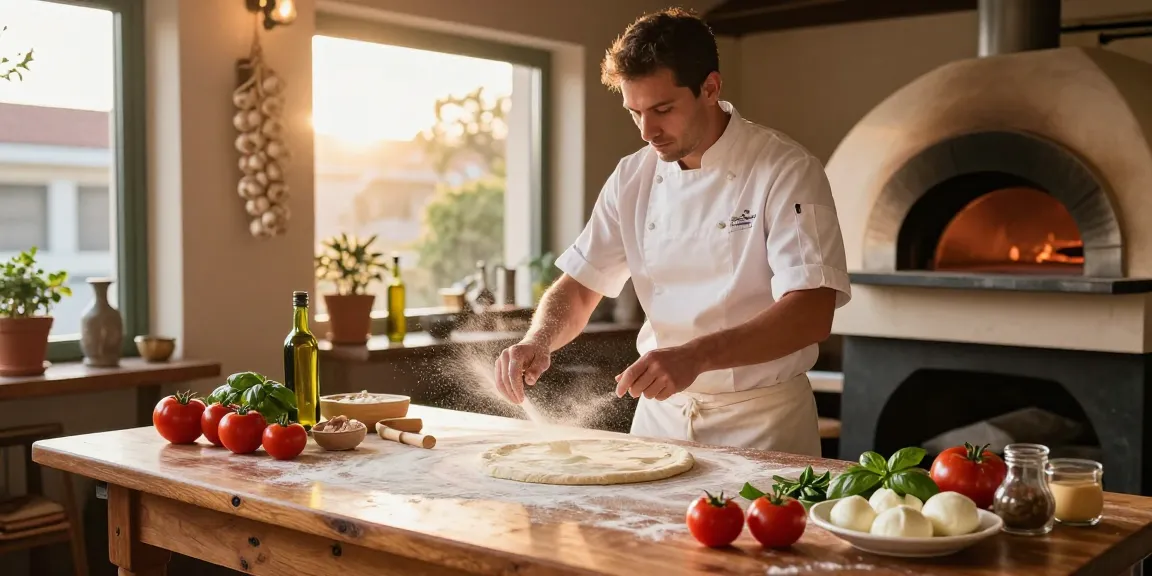
Understanding pg soft and Its Impact on Pizza Quality
In the world of pizza making, achieving the perfect balance of ingredients and techniques can elevate a simple dish into an extraordinary culinary experience. One vital component in this journey is the concept of pg soft, a term that has gained traction among pizza enthusiasts and professional chefs alike. The ability to master pg soft not only enhances the texture and flavor of the dough but also improves the overall quality of the pizza, making it a vital aspect for anyone passionate about Italian cuisine. For those looking to dive deeper into the art of pizza making, pg soft provides comprehensive insights into achieving pizza perfection.
What is pg soft in Pizza Making?
Pg soft refers to the ideal dough consistency that allows for optimal fermentation and elasticity. This unique texture is crucial for achieving a crust that is both chewy and crispy, characteristics that are hallmarks of traditional Italian pizzas. The term is often associated with the hydration level of the dough, which typically ranges from 60% to 65%. This means that for every 100 grams of flour, 60 to 65 grams of water is added, creating a tender yet strong dough that can support a variety of toppings.
Historical Context of pg soft and Pizza
The art of pizza making has evolved over centuries, originating from Naples, Italy. During its early days, pizza was a street food enjoyed by the masses, primarily using simple ingredients. As the dish gained popularity, variations arose, leading to the development of techniques such as pg soft. This method emphasizes using high-quality flour and controlled hydration levels to produce a superior dough, reflecting the dedication to quality seen in authentic Italian cuisine.
Identifying Quality Ingredients for Optimal Results
To achieve the perfect pg soft, the choice of ingredients is paramount. Here are some key components:
- Flour: Use Tipo 00 flour for its fine texture and high protein content, which contribute to better gluten development.
- Water: Filtered, non-chlorinated water is ideal for dough preparation, ensuring that the yeast functions effectively.
- Yeast: Opt for fresh or dry yeast to encourage proper fermentation, which helps in achieving that desirable rise.
- Salt: Essential for flavor, salt also controls yeast fermentation, ensuring a balanced dough.
- Oil: A small amount of olive oil can add richness and flavor to the crust.
Key Techniques for Mastering Pizza with pg soft
Essential Tools and Equipment for Pizza Preparation
Investing in the right tools will elevate your pizza-making game. Key tools include:
- Pizza Stone or Steel: This retains heat and delivers a crispy crust.
- Pizza Peel: A flat board that aids in transferring the pizza to and from the oven.
- Stand Mixer: Useful for mixing and kneading the dough efficiently.
- Thermometer: To monitor dough and oven temperatures closely.
Step-by-Step Guide to Achieving Perfect Dough Consistency
Creating the ideal pg soft dough requires precision. Follow these steps:
- Mixing: Combine flour, yeast, and salt in your mixer. Gradually add water until the mixture forms a cohesive dough.
- Kneading: Knead the dough for 5-10 minutes until it becomes smooth and elastic.
- Resting: Allow the dough to rest for 30 minutes before shaping, which helps relax the gluten.
- Fermentation: Place the dough in an oiled bowl, cover it, and let it rise for at least 1-2 hours until doubled in size.
Crucial Baking Methods for Enhancing Flavor
To unlock the full potential of your pizza, the baking method is as important as the dough. Consider the following:
- High Temperature: Bake your pizza in a preheated oven at 250°C (482°F) or higher for a perfect crust.
- Steam Injection: Introduce steam in the oven during the first few minutes to achieve a crispier surface.
- Rotate the Pizza: Halfway through baking, rotate your pizza for even cooking.
Troubleshooting Common Issues in pg soft Pizza Making
Identifying Dough Problems and Solutions
Even the most experienced bakers encounter challenges occasionally. Here are common issues and their remedies:
- Too Sticky Dough: Add a little more flour during kneading. Ensure that the hydration level is correct.
- Dry and Crumbly Dough: Increase water slightly; it may be under-hydrated.
- Flat Pizza: Ensure proper fermentation; the dough should have risen adequately.
Adjusting Cooking Times for Different Ovens
Every oven has its unique characteristics. Here’s how to adapt:
- Conventional Ovens: Bake for 10-15 minutes; use a pizza stone for better results.
- Convection Ovens: Reduce the temperature by 20°C (36°F) and monitor closely.
- Wood-Fired Ovens: These cook much faster; check after 60-90 seconds.
How to Maintain Ingredient Freshness
Fresh ingredients are crucial for high-quality pizza. Here are some tips for maintaining freshness:
- Store Properly: Keep flour in a cool, dry place and use airtight containers.
- Check Expiry Dates: Regularly check your yeast and other perishables for freshness.
- Buy Local: When possible, source fresh produce and meats from local suppliers.
Exploring Flavor Profiles with pg soft Pizza
Innovative Toppings and Their Impact on Taste
Innovative toppings can transform your pizza. Consider creative combinations such as:
- Fig and Prosciutto: A sweet and salty pairing that elevates flavor.
- Pesto and Goat Cheese: A tangy option that adds depth.
- Buffalo Cauliflower: A spicy vegetarian alternative that packs a punch.
Pairing Wines and Beverages with pg soft Pizza
The right beverage can enhance the pizza experience. Suggested pairings include:
- Chianti: A classic choice for tomato-based pizzas.
- Pinot Grigio: Perfect for white pizzas topped with cheese and vegetables.
- Craft Beer: A local IPA can accentuate the flavors of spicy toppings.
Cultural Influences on Pizza Flavor Profiles
Pizza flavors vary globally, reflecting different cultural tastes. For instance:
- Italian: Focuses on fresh, simple ingredients.
- American: Emphasizes hearty portions and diverse toppings.
- Asian: Incorporates unique flavors like curry and teriyaki.
The Future of Pizza and pg soft Trends for 2026
Emerging Ingredient Trends in Italian Cuisine
As the culinary landscape evolves, several trends are expected to shape pizza in the coming years:
- Plant-Based Ingredients: An increased focus on vegan cheeses and proteins.
- Locally Sourced Produce: Growing awareness about sustainability will drive more local sourcing.
- Functional Ingredients: The use of ingredients that promote health, such as ancient grains.
Technological Innovations in Pizza Preparation
Technology continues to revolutionize the food industry, and pizza making is no exception. Look for:
- Smart Ovens: Devices that can automatically adjust cooking times and temperatures for optimal results.
- Recipe Apps: Tools that allow for real-time adjustments based on your needs and preferences.
Consumer Preferences and the Evolution of Pizza Styles
Consumer tastes are evolving. The following trends are expected to stand out in 2026:
- Regional Styles: More interest in authentic regional pizzas, such as Neapolitan or Roman.
- Thin Crust Dominance: An increasing preference for healthier, thinner crust options.
What are the Benefits of pg soft for Home Cooks?
Mastering pg soft can significantly enhance a home cook’s ability to create pizzeria-quality pizza. The benefits include:
- Consistency: Reliable techniques lead to repeatable results.
- Creativity: A sturdy dough allows for a wider variety of toppings without compromising structure.
- Healthier Options: You can control the ingredients and opt for healthier choices.
What is the Best Flour for pg soft Pizza Dough?
For optimal results in pg soft pizza dough, Tipo 00 flour is widely regarded as the best option due to its fineness and gluten content. However, experimenting with other flours like bread flour or a blend can yield interesting textures and flavors.
How Can I Improve My Pizza Skills Using pg soft?
Improving your pizza skills can be achieved through practice and by paying close attention to the specific techniques involved in mastering pg soft. Consider taking online classes, watching tutorials, or partnering with local chefs to refine your approach.